
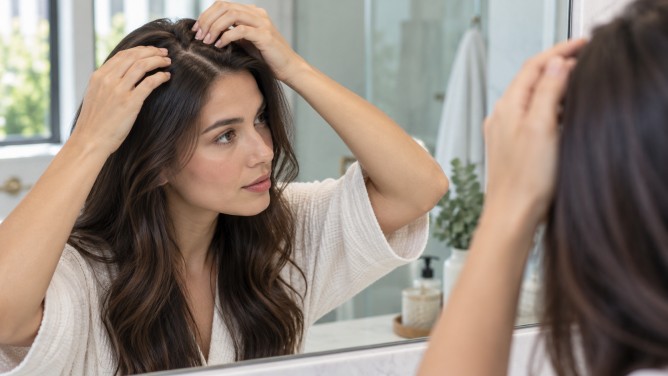
While many people focus on their haircare routines using shampoos, conditioners, oils, and serums, the health of the scalp underneath is equally important. A healthy-looking head of hair often begins with a well-cared-for scalp. Changes in the condition of the scalp can lead to discomfort, persistent flakes, and sometimes even changes in hair shedding.
The scalp naturally produces oil and sheds dead skin cells, but when these processes become unbalanced or the skin becomes irritated, noticeable symptoms can develop. Recognizing these changes early can help you adjust your haircare routine and identify when professional advice may be necessary.
There are several signs that your scalp might need extra care. If you experience tightness or stinging after washing, this may indicate irritation or a disruption of the skin barrier, often caused by harsh cleansing products. Flakes that keep returning could be a sign of dandruff or a condition like seborrhoeic dermatitis rather than infrequent hair washing. An oily scalp might not be unhealthy, as sebum protects the scalp and hair, but if roots get greasy quickly, reviewing your cleansing routine and product choices might help.
Additionally, a coated or heavy feeling around the roots could result from accumulated styling products or excess sebum. Thoroughly rinsing shampoo and conditioner and moderating the use of styling products might alleviate this. Lastly, noticeable changes in hair shedding, such as a widening hair part or visible thinning, can be a sign to seek professional advice, as they could be related to stress, hormonal changes, or other medical conditions.
Maintaining a healthy scalp involves washing according to your scalp’s oiliness and individual needs, using gentle products, and thoroughly rinsing away residues. If persistent itching, redness, or unusual hair loss occurs, consulting a dermatologist is advisable. Paying attention to these signs can help ensure that both your scalp and hair remain healthy.