
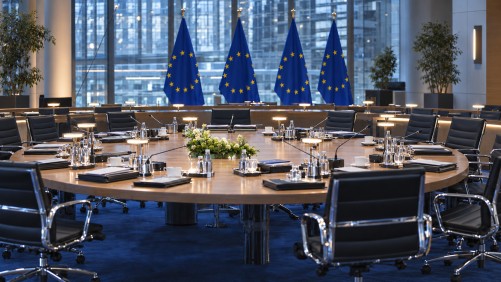
As the European Union navigates a complex economic landscape, discussions around its upcoming seven-year budget have gathered momentum in Brussels. The European affairs ministers are deeply engaged in negotiations to shape the financial framework for 2028 to 2034, under the stewardship of Ireland, which currently holds the presidency of the Council of the European Union.
The European Commission has proposed a robust budget of €1.9 trillion, intending to address various priorities within the bloc. However, this proposal has met with resistance from several member states, including Germany, Denmark, the Netherlands, Sweden, and Austria, which are advocating for considerable reductions. In contrast, other members are keen to safeguard funding allocations for agriculture and regional cohesion, emphasizing the need to balance fiscal responsibility with developmental goals.
A critical component of the discussions is identifying new revenue streams to bolster the EU budget. Current proposals suggest redirecting carbon-related levies, contributions from large corporations, and duties such as tobacco excise and electronic waste taxes to the EU’s coffers. These measures could potentially generate an estimated €44 billion annually, according to the European Commission. Additional ideas on the table include taxes on cryptocurrencies, major technology firms, and a gambling levy, although these would require unanimous agreement from all EU states to be implemented.
With Ireland preparing a draft negotiating framework, the budget talks are set to escalate to an EU leaders’ summit in October. The Irish government has articulated that reaching a consensus during its presidency is a strategic objective, highlighting the importance of this financial blueprint for the EU’s future economic stability and growth.
In a separate but significant development, the EU and the Philippines have reported notable progress toward finalizing a free trade agreement. This agreement, which has been in negotiation since 2016 and saw renewed efforts in 2024, aims to eliminate tariffs on over 97% of bilateral trade. Last year, trade in goods between the EU and the Philippines amounted to €17.6 billion, with services trade reaching €10.3 billion, underscoring the economic significance of this potential deal.