
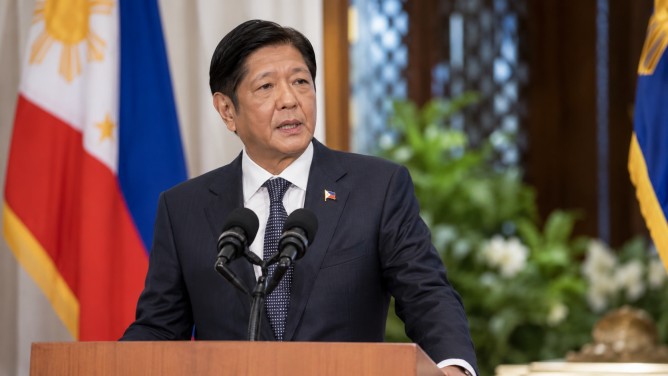
In the wake of recent remarks by Chinese Ambassador Jing Quan, which were perceived as a threat of conflict, Philippine President Ferdinand Marcos Jr. has announced plans to summon the ambassador for a meeting. The comments in question suggested that China could easily prevail in a confrontation with the Philippines by using force, raising tensions between the two nations amid ongoing maritime disputes in the South China Sea.
The Philippines’ Department of Foreign Affairs (DFA) has expressed concern over the ambassador’s remarks, describing them as an implied threat that could damage diplomatic relations between the countries. The DFA urged all diplomats to exercise caution in public statements and to refrain from using language that might erode mutual trust or hinder constructive discussions aimed at resolving the maritime issues.
In response, the Chinese Embassy clarified that Ambassador Jing Quan had emphasized China’s preference for peaceful relations and stated that Beijing did not intend to use force. The embassy reiterated the importance of dialogue between the two nations, encouraging both to manage disagreements and avoid actions that could heighten tensions.
This exchange comes amid ongoing disputes over territorial claims in the South China Sea, a region where both countries have vested interests. While both sides have stressed the need for dialogue, the recent comments have added complexity to an already delicate relationship.
As the situation unfolds, both the Philippines and China are encouraged to pursue diplomatic solutions to their differences, maintaining open channels of communication to prevent misunderstandings and potential conflicts. The upcoming meeting between President Marcos and Ambassador Jing could serve as an opportunity to de-escalate the situation and reaffirm commitments to peaceful negotiations.