
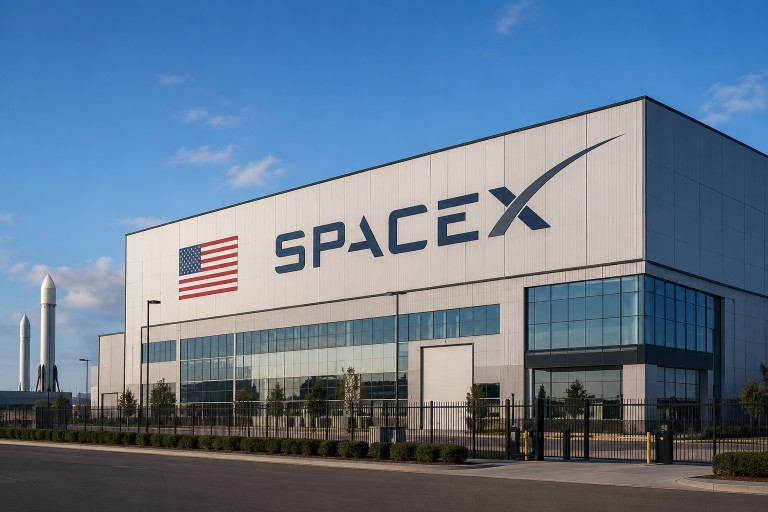
On Wednesday, SpaceX experienced a dip in its stock performance, as shares fell 1.5% to $134, slipping below the $135 mark set during its initial public offering (IPO). This drop marks the first time the stock has dipped beneath its IPO price since the company’s record-setting market debut just over a month ago, which had temporarily elevated its valuation to over $2.6 trillion.
The decline in share price can be attributed to investor concerns regarding the company’s substantial expenditure on artificial intelligence infrastructure, escalating debt levels, and the potential for increased U.S. interest rates. To support its ambitious technology and infrastructure expansion plans, SpaceX recently secured $25 billion through a bond offering. Analysts suggest that the stock’s fall is a combination of profit-taking after a strong initial performance and a broader reevaluation of technology firms with high valuations.
Despite being part of the Nasdaq 100 index, SpaceX’s shares have struggled to maintain their initial momentum. The market’s focus is now shifting towards the company’s first quarterly earnings report as a publicly traded entity, which is anticipated in early August. Additionally, the upcoming partial expiration of the IPO lock-up period is drawing attention, as it could permit early investors and employees to sell their shares, potentially adding to the selling pressure.
SpaceX’s forthcoming Starship test flight is also in the spotlight, viewed as a significant milestone for the company. A successful test is seen as crucial for reducing launch costs and achieving SpaceX’s long-term goals, which include lunar missions and the development of advanced space infrastructure.