
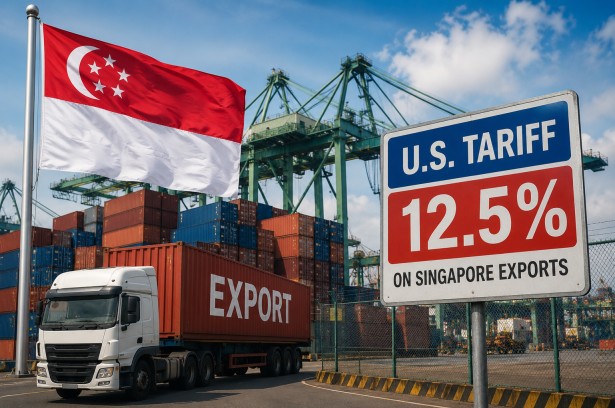
The United States has introduced a new tariff of 12.5% on roughly one-third of exports from Singapore, citing enforcement concerns related to forced labor. This move is part of a wider trade policy that impacts numerous countries. In response, Singapore has firmly denied these allegations, emphasizing that the nation maintains a robust legal framework to combat forced labor and strictly opposes any such practices. The Ministry of Trade and Industry in Singapore has pledged to continue engaging with U.S. trade officials to gain a better understanding of how the tariff will be applied.
This new tariff does not apply to several major export categories from Singapore. Exemptions include pharmaceuticals, semiconductors, certain electronics, aerospace goods, energy products, and items already subject to specific U.S. tariffs. Despite these exemptions, there is concern among business groups that the tariff could lead to increased uncertainty for manufacturers and exporters in Singapore. This concern is compounded by an ongoing U.S. investigation that may lead to further trade measures against the country.
Business leaders are urging companies to consider diversifying their export markets as a strategic response to these tariffs. They suggest that strengthening supply chain resilience could help mitigate the potential negative impacts of the U.S. policy changes. The call to action comes as businesses look to navigate the evolving trade landscape and secure stable routes for their products in the international market.
Singapore’s government remains committed to addressing the situation through diplomatic channels. By continuing discussions with U.S. trade representatives, they aim to resolve the issues surrounding these tariffs and ensure that Singapore’s interests are protected. The nation is keen to maintain its position as a key player in global trade, while also upholding its standards against forced labor practices.